

Beyond the Dial Tone: The 3 Metrics That Define Outbound AI Success
The question arises constantly in sales boardrooms: "Can AI make outbound calls?"
The simple answer is yes. The strategic answer, however, is that Outbound AI is a fundamentally different operational challenge than its reactive counterpart, Inbound AI.
Inbound is about listening and routing. Outbound is about persuasion, proactive engagement, and carrying the weight of the conversation. It requires a level of conversational fluency that can open a dialogue, deliver value, and manage rejection—all without waiting for the customer to lead.
To unlock this strategic potential, we must measure performance with the same rigor we apply to digital marketing campaigns.
The Outbound Challenge: Carrying the Conversation
When a customer calls you (Inbound), they have intent, making the AI's job easier. When you call the customer (Outbound), the AI must immediately establish value and build engagement.
This requires the agent to be proficient in three key areas:
- Sales Outreach: Sounding natural enough to qualify a cold lead, schedule a demo, or bypass common gatekeepers.
- Customer Service Nudges: Handling proactive communications like appointment confirmations, payment reminders, or follow-ups to reduce no-shows and churn.
- Marketing Campaigns: Acting as the "last mile" conversion tool for leads generated by digital ads or content.
To succeed in these proactive tasks, we must move beyond vanity metrics and focus on conversion quality.
The 3 Metrics That Matter Most for Outbound AI
A successful outbound campaign is defined by its ability to move the pipeline forward, not just by the volume of calls placed. We monitor these three critical indicators:
1. Connection Rate (The Quality Control Metric)
It's not enough to measure calls dialed. We must measure if the AI actually reached a decision-maker or the intended recipient.
- Why it matters: A high volume of calls hitting voicemail boxes or disconnected numbers is a sign of poor list quality or poor dialer technology. Connection Rate measures the technical quality of your outreach. A high rate ensures that the human sales team isn't wasting time on scrubbing lists; the AI is doing that heavy lifting.
2. Engagement Quality (The Conversational Health Metric)
A simple "no" can be a valuable data point. A quick hang-up is a wasted interaction.
Engagement Quality measures whether the conversation achieved a specific conversational outcome, even if it wasn't a sale.
- Did the prospect spend 30 seconds explaining why they weren't interested? (Valuable data).
- Did the AI successfully gather the "call back in three months" note? (Valuable pipeline data).
This metric separates a robotic dialer that simply drops a recording from an intelligent agent that collects clean, actionable data. It tracks the conversational weight that the AI carried.
3. Conversion Impact (The Pipeline Metric)
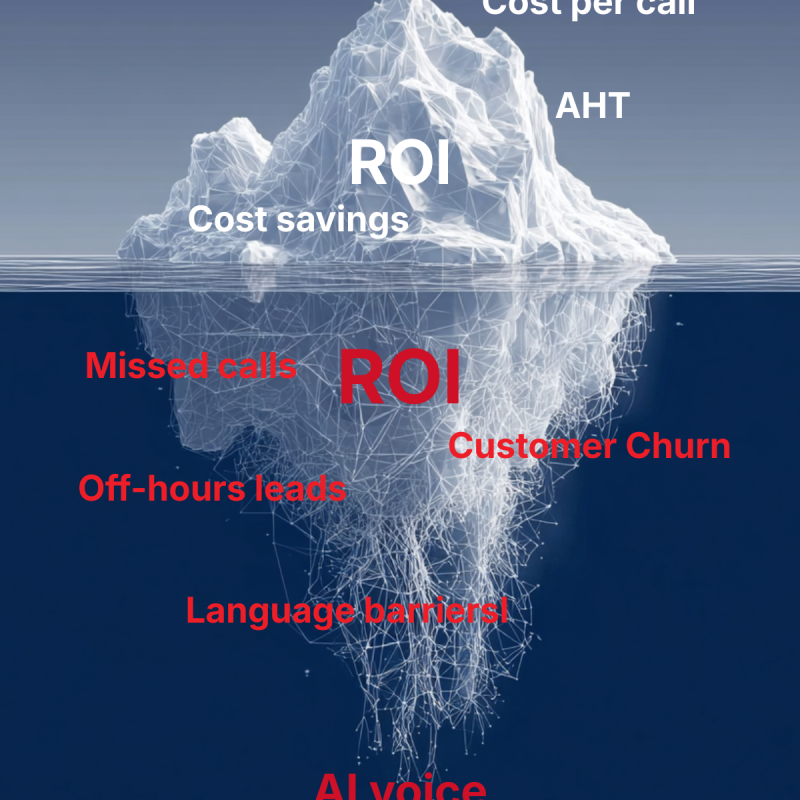
This is the ultimate measure of ROI. Outbound AI must be held to the same standard as a landing page or a human SDR (Sales Development Representative).
Conversion Impact tracks the percentage of successful calls that achieve the ultimate business goal:
- Did the call result in a confirmed calendar event?
- Did the payment status change to "paid"?
- Did the lead qualification score meet the necessary threshold to be passed to a human closing team?
This metric forces the AI to integrate seamlessly with your CRM and calendar, ensuring it becomes infrastructure for growth, not just a cost center.
Scaling the Moments That Matter
Outbound AI isn’t about replacing your human experts. It’s about creating an army of tireless, compliant agents who handle the repetitive, high-volume tasks that burn out human teams.
The goal is strategic scalability: ensuring that every interested prospect is contacted instantly, every appointment is confirmed, and every opportunity is measured with surgical precision.
By focusing on Connection, Quality, and Impact, business leaders can ensure their Voice AI acts as a true extension of their sales and service strategies.